
Featured products
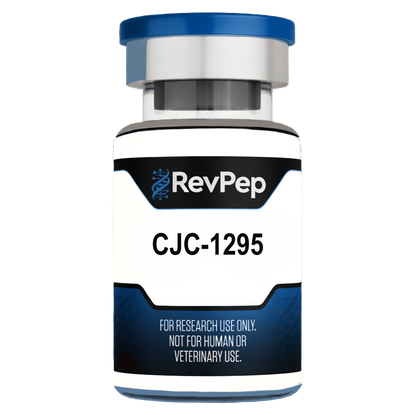
CJC-1295
A growth-hormone releasing hormone analog commonly reviewed for GH pulse support.
More library details
Research context
- Extends growth-hormone releasing hormone signaling depending on form.
- Often paired with a GHRP such as ipamorelin.
Review before use
- Review IGF-1, glucose, sleep apnea risk, cancer history, and edema symptoms.
- Clarify DAC versus no-DAC form before any protocol discussion.
Evidence notes
- GH-axis compounds are discussed around growth-hormone and GHRH signaling and require lab-guided review.
- Evidence and risk review should include IGF-1, glucose, edema, sleep apnea, and cancer-history considerations.
Cautions
- Hormone-pathway agents need lab monitoring.
- Avoid if contraindicated by personal cancer risk or unmanaged metabolic disease.
Educational reference only. Not medical advice, dosing guidance, or a treatment claim.
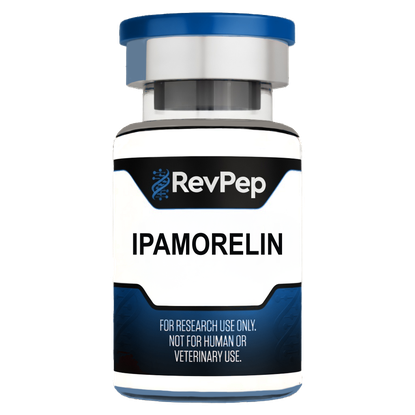
Ipamorelin
A growth-hormone secretagogue often discussed as a cleaner GH pulse option than older GHRPs.
More library details
Research context
- Stimulates GH release through ghrelin receptor signaling.
- Commonly reviewed with CJC-1295 for recovery and sleep-focused protocols.
Review before use
- Review appetite, glucose, IGF-1, and sleep apnea considerations.
- Confirm timing and whether it conflicts with nutrition schedule.
Evidence notes
- GH secretagogue research focuses on ghrelin-receptor signaling and growth-hormone pulse support.
- Risk review should include appetite, glucose, IGF-1, edema, sleep apnea, and hormone-sensitive history.
Cautions
- Not appropriate for unsupervised hormone manipulation.
- Discuss swelling, tingling, glucose issues, and headache symptoms.
Educational reference only. Not medical advice, dosing guidance, or a treatment claim.
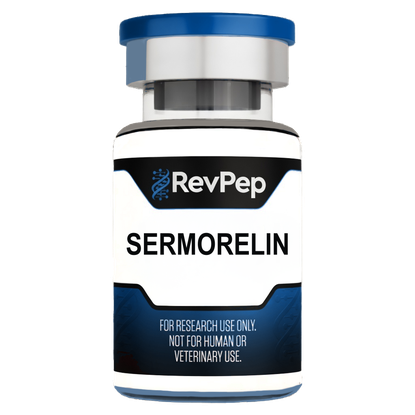
Sermorelin
A GHRH analog used in some clinics for growth-hormone stimulation review.
More library details
Research context
- Supports endogenous GH signaling rather than replacing GH.
- Often evaluated through IGF-1 and symptom tracking.
Review before use
- Review baseline labs, sleep apnea, glucose control, and expected monitoring schedule.
- Compare with CJC/ipamorelin options with a clinician.
Evidence notes
- GHRH analog research and clinical use focus on endogenous growth-hormone stimulation under medical review.
- Monitoring commonly centers on IGF-1, sleep apnea risk, glucose, edema, and expected clinical goals.
Cautions
- Hormone-axis protocols require medical supervision.
- Do not use with unexplained symptoms or active malignancy concerns.
Educational reference only. Not medical advice, dosing guidance, or a treatment claim.
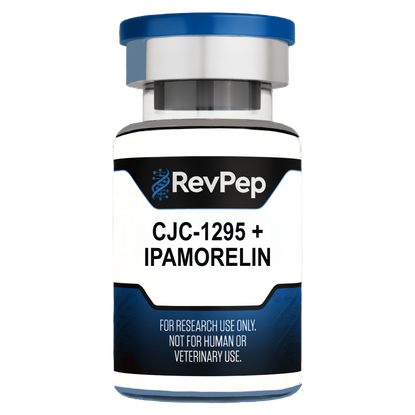
CJC-1295 + Ipamorelin
A common GH-support stack pairing GHRH signaling with GH secretagogue pulse support.
More library details
Research context
- Combines upstream GH-releasing support with pulse stimulation.
- Often reviewed for sleep, recovery, lean mass, and body composition.
Review before use
- Review labs, cancer risk, glucose, sleep apnea, edema, and protocol duration.
- Clarify timing around meals and sleep.
Evidence notes
- This stack combines GHRH analog and GH secretagogue concepts, so monitoring should follow GH-axis risk review.
- Evidence and risk review should include IGF-1, glucose, edema, sleep apnea, and cancer-history considerations.
Cautions
- Requires clinician oversight and lab monitoring.
- Avoid stacking with other GH/IGF agents casually.
Educational reference only. Not medical advice, dosing guidance, or a treatment claim.
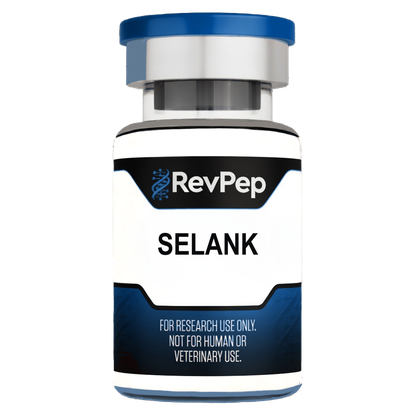
Selank
A nootropic/anxiolytic peptide discussed for calm focus, stress resilience, and cognitive support.
More library details
Research context
- Reviewed for neurotransmitter and stress-response modulation.
- Often discussed for anxiety, focus, and mental performance.
Review before use
- Review mental health history, medications, and route.
- Track anxiety, sleep, focus, and irritability.
Evidence notes
- Research has explored stress-response, anxiolytic, and cognitive-support themes.
- Human evidence and regulatory status vary by region, so claims should stay conservative.
Cautions
- Do not replace psychiatric care or prescribed medications.
- Stop and seek help for severe mood changes or suicidal thoughts.
Educational reference only. Not medical advice, dosing guidance, or a treatment claim.
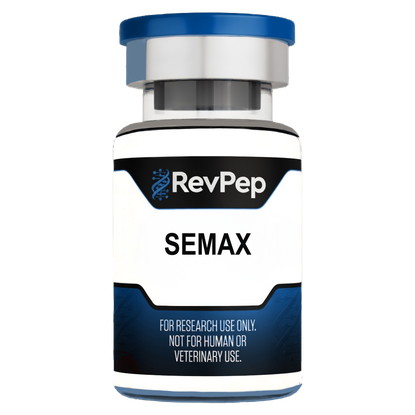
Semax
A cognitive peptide discussed for focus, neuroprotection themes, and mental performance.
More library details
Research context
- Reviewed for neurotrophic and cognitive-performance signaling.
- Often discussed for alertness and focus.
Review before use
- Review blood pressure, anxiety, sleep, stimulant use, and timing.
- Track focus, irritability, headache, and sleep changes.
Evidence notes
- Research has explored neurotrophic signaling and cognitive-performance themes.
- Evidence quality and regulatory status vary, so avoid strong performance claims.
Cautions
- Avoid stacking with stimulants without professional guidance.
- Do not use to cover sleep deprivation.
Educational reference only. Not medical advice, dosing guidance, or a treatment claim.
DSIP
A sleep-related peptide discussed for sleep architecture, stress response, and recovery.
More library details
Research context
- Reviewed for delta sleep and stress-modulation themes.
- Often discussed when sleep quality is the main limiting factor.
Review before use
- Review insomnia causes, sleep apnea risk, medications, alcohol, and caffeine timing.
- Track sleep objectively when possible.
Cautions
- Do not use to ignore sleep apnea or severe insomnia.
- Sedation or mood changes need professional review.
Educational reference only. Not medical advice, dosing guidance, or a treatment claim.
LL-37
An antimicrobial peptide discussed in immune and microbiome contexts.
More library details
Research context
- Reviewed for antimicrobial and innate immune signaling.
- Sometimes discussed around infection, gut, or biofilm themes.
Review before use
- Review autoimmune risk, infection diagnosis, and whether antibiotics or medical care are needed.
- Confirm product quality and route before any use discussion.
Evidence notes
- Antimicrobial peptide research has explored innate immune signaling and microbiome-related pathways.
- Evidence does not support self-treating infections; diagnosis and medical care remain primary.
Cautions
- Do not self-treat infections.
- Potential immune stimulation makes clinician review important.
Educational reference only. Not medical advice, dosing guidance, or a treatment claim.
MOTS-c
A mitochondrial-derived peptide discussed for metabolic flexibility, exercise signaling, and cellular energy context.
More library details
Research context
- Reviewed for mitochondrial and AMPK-related signaling.
- Often discussed around metabolic health and exercise response.
Review before use
- Review health history, glucose medications, and realistic outcome measures.
- Track sleep, resting heart rate, training load, and fatigue.
Evidence notes
- Mitochondrial-derived peptide research has explored metabolic regulation, AMPK-related signaling, and exercise-response pathways.
- Human evidence remains limited compared with established metabolic therapies.
Cautions
- Human evidence and quality control vary.
- Avoid stacking with multiple energy agents without clinician input.
Educational reference only. Not medical advice, dosing guidance, or a treatment claim.
NAD+
A cellular cofactor involved in energy metabolism, repair signaling, and oxidative stress response.
More library details
Research context
- Supports redox reactions and mitochondrial energy metabolism.
- Involved in DNA repair and cellular stress pathways.
Review before use
- Review route, dose, flushing, nausea, and heart rhythm history.
- Track energy, sleep, headache, and tolerance.
Evidence notes
- NAD+ is a cellular cofactor studied in redox biology, mitochondrial energy metabolism, and repair signaling.
- Clinical evidence varies by route, population, and outcome, so claims should stay conservative.
Cautions
- Discuss active cancer history and complex medication use.
- Do not assume more is better.
Educational reference only. Not medical advice, dosing guidance, or a treatment claim.
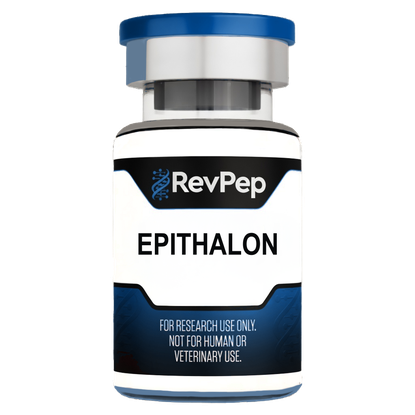
Epithalon
A longevity-focused peptide discussed in relation to sleep, aging biology, and telomere research.
More library details
Research context
- Reviewed for pineal and cellular-aging research themes.
- Often discussed for sleep quality and longevity protocols.
Review before use
- Clarify evidence quality, protocol length, and whether expectations are realistic.
- Track sleep consistency and recovery rather than only subjective energy.
Evidence notes
- Research has explored pineal and cellular-aging biology themes, including telomere-related discussion.
- Clinical evidence is not strong enough for anti-aging treatment claims.
Cautions
- Not a proven anti-aging treatment.
- Use caution with hormone-sensitive or complex medical histories.
Educational reference only. Not medical advice, dosing guidance, or a treatment claim.
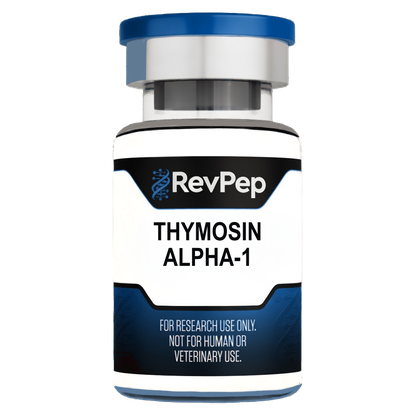
Thymosin Alpha-1
An immune-modulating peptide discussed for immune resilience and infection-response contexts.
More library details
Research context
- Reviewed for T-cell and immune-response modulation.
- Often discussed in immune support and recovery protocols.
Review before use
- Review autoimmune disease, immunosuppressants, cancer history, and infection status.
- Track symptoms and avoid self-treating serious illness.
Evidence notes
- Research and clinical literature have explored immune-response modulation and T-cell signaling.
- Risk review should include autoimmune disease, cancer history, infections, and immunosuppressive medications.
Cautions
- Immune agents can be inappropriate with autoimmune or transplant-related conditions.
- Seek care for fever, worsening infection, or severe symptoms.
Educational reference only. Not medical advice, dosing guidance, or a treatment claim.
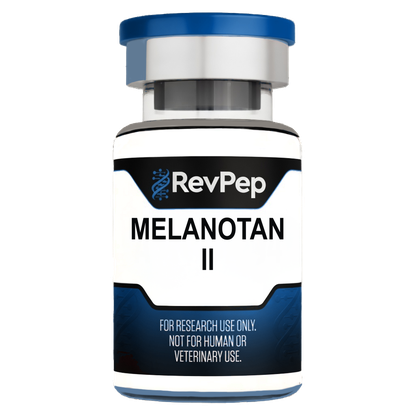
Melanotan II
A melanocortin peptide discussed for tanning and libido effects, with notable safety concerns.
More library details
Research context
- Stimulates melanocortin pathways that influence pigmentation and other systems.
- Often discussed because effects can extend beyond skin darkening.
Review before use
- Review skin cancer risk, mole changes, blood pressure, nausea, and product legality.
- Use skin checks and avoid UV-risk escalation.
Cautions
- Unregulated tanning products can be risky.
- Seek dermatology review for changing moles or skin lesions.
Educational reference only. Not medical advice, dosing guidance, or a treatment claim.
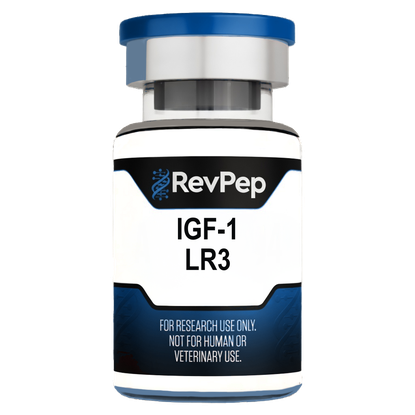
IGF-1 LR3
A growth-factor related compound discussed for muscle growth and recovery, requiring high caution.
More library details
Research context
- Reviewed for anabolic and growth-factor pathway effects.
- Often discussed in bodybuilding contexts, not general wellness.
Review before use
- Review cancer risk, glucose, edema, organ effects, and legal status.
- Track symptoms and avoid stacking with other GH/IGF agents casually.
Cautions
- High-risk compound for unsupervised use.
- Growth-factor pathway concerns require medical guidance.
Educational reference only. Not medical advice, dosing guidance, or a treatment claim.
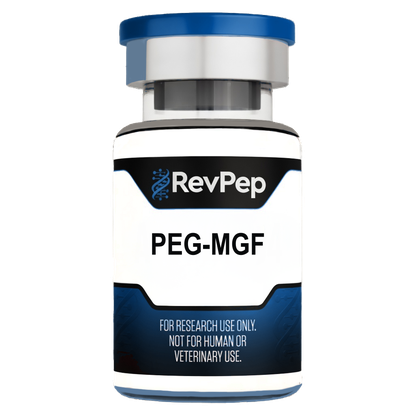
PEG-MGF
A mechano-growth-factor related peptide discussed around muscle repair and training adaptation.
More library details
Research context
- Reviewed for muscle repair and growth signaling after mechanical stress.
- Often discussed in training and bodybuilding contexts.
Review before use
- Review legality, evidence, cancer risk, and whether injury requires rehab.
- Track strength, soreness, swelling, and adverse response.
Cautions
- Not a replacement for progressive training and recovery.
- Avoid use around unresolved injury without diagnosis.
Educational reference only. Not medical advice, dosing guidance, or a treatment claim.
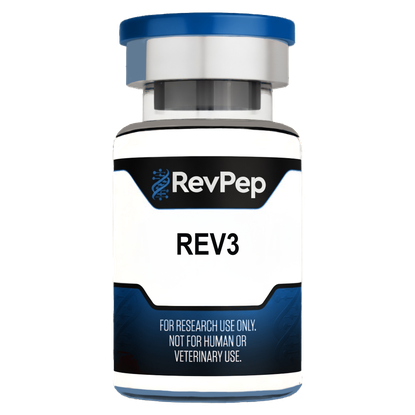
REV3
A triple receptor agonist research/clinical-trial class item discussed for appetite, body weight, and metabolic effects.
More library details
Research context
- Targets GLP-1, GIP, and glucagon pathways.
- Reviewed for strong body-weight and metabolic effects in research contexts.
Review before use
- Clarify availability, regulatory status, trial data, and medical appropriateness.
- Track GI tolerance, hydration, weight rate, and strength preservation.
Evidence notes
- Investigational triple-receptor agonist class item studied for GLP-1, GIP, and glucagon pathway activity.
- Clinical studies have evaluated effects on body weight, glucose handling, and cardiometabolic markers.
Cautions
- Not a casual or unsupervised compound.
- Use legitimate medical channels only.
Educational reference only. Not medical advice, dosing guidance, or a treatment claim.
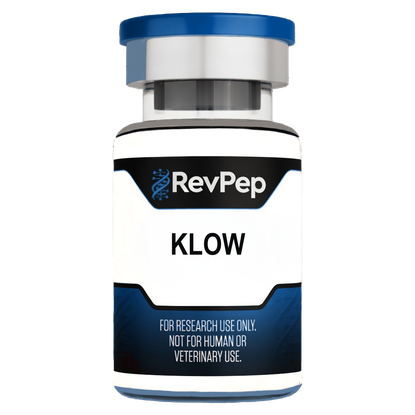
KLOW
A skin, collagen, recovery, and immune-response stack concept built around GHK-Cu, BPC-157, TB-500, and KPV review.
More library details
Research context
- Combines peptides commonly discussed for connective tissue, collagen, inflammation, immune-response, and soft-tissue recovery.
- Best viewed as a clinician-reviewed protocol concept, not a casual supplement.
Review before use
- Confirm exact ingredients, doses, route, sterility, and contraindications.
- Track each component response rather than treating the stack as one unknown.
Evidence notes
- This stack combines repair, skin, tissue-remodeling, and inflammation-pathway concepts with limited human evidence.
- Multi-compound stacks make attribution and side-effect review harder.
Cautions
- Multi-compound stacks make side effects harder to attribute.
- Use only with qualified medical guidance and tested products.
Educational reference only. Not medical advice, dosing guidance, or a treatment claim.
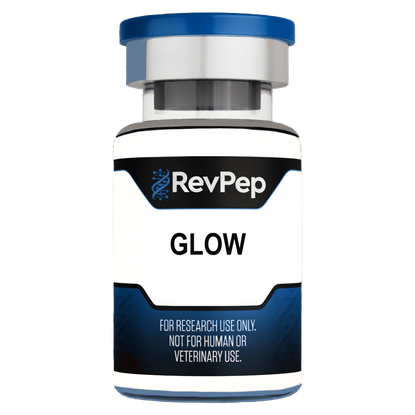
GLOW
A skin, collagen, and recovery stack concept built around GHK-Cu, BPC-157, and TB-500 review.
More library details
Research context
- Combines peptides commonly discussed for connective tissue, collagen, soft-tissue recovery, and skin-quality support.
- Best viewed as a clinician-reviewed protocol concept, not a casual supplement.
Review before use
- Confirm exact ingredients, doses, route, sterility, and contraindications.
- Track each component response rather than treating the stack as one unknown.
Evidence notes
- This stack combines components with mostly preclinical or limited human evidence in repair, skin, and tissue-remodeling pathways.
- Multi-compound stacks make attribution and side-effect review harder.
Cautions
- Multi-compound stacks make side effects harder to attribute.
- Use only with qualified medical guidance and tested products.
Educational reference only. Not medical advice, dosing guidance, or a treatment claim.